17 IKEA Bedroom Hacks for Cheap, Budget-Friendly Makeovers
A bedroom makeover doesn’t need a new bed frame or a four-figure budget, sometimes it just needs a few smart IKEA swaps done the right way. This article walks through 17 specific, budget-friendly hacks using IKEA pieces and tweaks that actually change how a room feels.
Picture soft evening light hitting a headboard you built for under $40. Picture a closet that finally makes sense instead of fighting you every morning. That quiet, “did-I-really-do-this-myself” feeling is what a good budget refresh gives you, and it doesn’t take a renovation to get there. Let’s get into it.
Jump To
- Paint a $10 IKEA frame instead of buying new
- LACK shelf floating nightstands
- SKÅDIS pegboard as a headboard
Why Budget Bedroom Makeovers Make Such a Difference
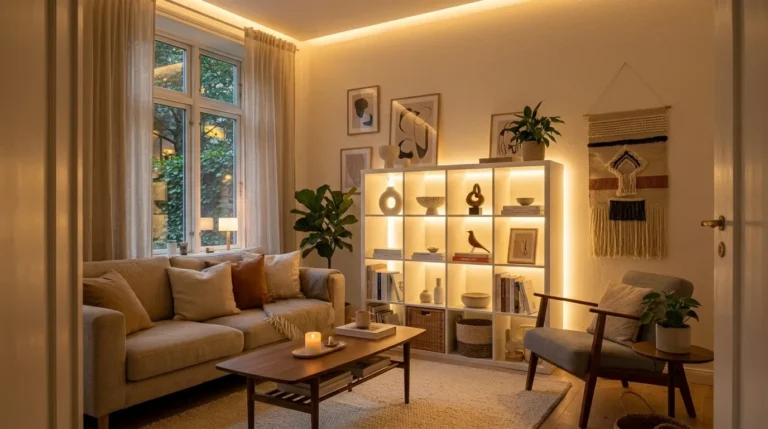
A bedroom is the one room you actually spend a third of your life in, and small, cheap changes — new hardware, better lighting, smarter storage — compound faster there than almost anywhere else in the house. Warm white paint, unfinished pine, matte black hardware, and linen-blend textiles do most of the heavy lifting, and none of them require a big budget. This kind of refresh works especially well in small spaces, where the priority should always be storage first, lighting second, and decor last — because a cluttered small room reads worse than a bare one.
| Best starting point | Swap out one piece of hardware or one light source |
| Biggest impact area | Under-bed and closet storage |
| Budget to start | $30–$150 |
| Time to complete | A weekend for most hacks; a full room in 2–3 weekends |
The Hacks
1. Paint a $10 IKEA frame instead of buying new

What it looks like: A plain white or pine frame turned into something that looks custom, in a color that actually matches your walls.
Why it works: Most budget frames are unfinished pine or MDF, both of which take chalk paint or mineral paint well without sanding, the flat finish reads as intentional, not cheap.
How to copy it: Use a mineral-based paint (like Fusion or Rust-Oleum Chalked) in a warm terracotta or deep forest green, two thin coats, no primer needed on raw wood.
Best for: Renters and first-time decorators on a tight budget.
Pro Tip: Sand lightly with 220-grit between coats — it’s the one step that separates “painted furniture” from “furniture that looks factory-finished.”
2. LACK shelf floating nightstands
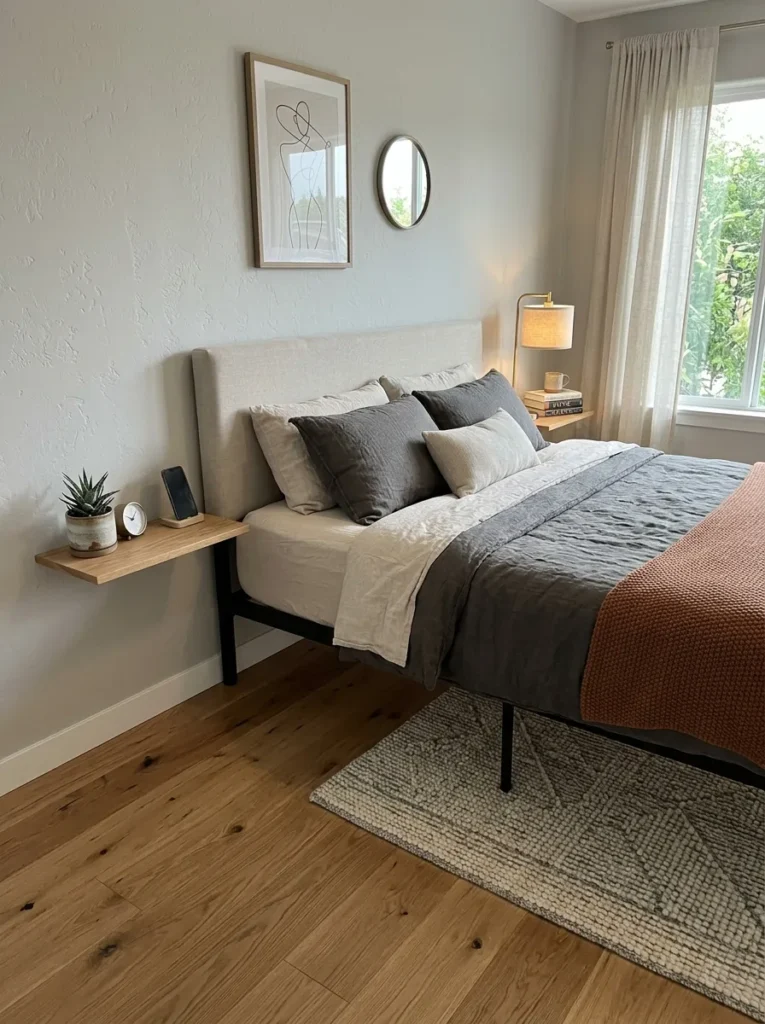
What it looks like: Two slim shelves mounted at bed height instead of bulky nightstands, freeing up visible floor.
Why it works: This trades furniture footprint for wall space, which makes a small bedroom read larger because your eye travels down to the floor uninterrupted.
How to copy it: Mount two LACK shelves 24–26 inches from the floor, spaced evenly on either side of the bed, using drywall anchors rated for at least 20 lbs.
Best for: Small bedrooms and anyone who wants a minimalist look without giving up bedside storage.
The next idea is one most people overlook entirely, and it costs almost nothing.
Also view: 17 Modern IKEA TARVA Hacks for Every Home
3. SKÅDIS pegboard as a headboard
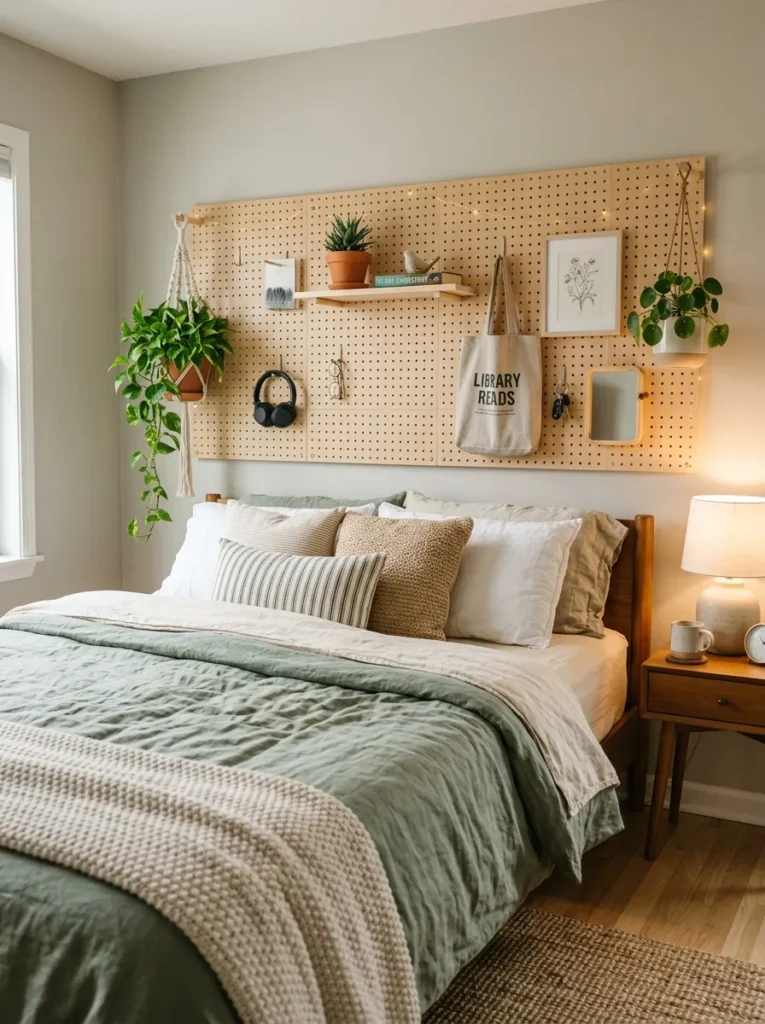
What it looks like: A pegboard mounted behind the bed, styled with hooks, a small shelf, and one or two hanging plants instead of a traditional headboard.
Why it works: It solves two problems at once, visual anchor above the bed, and functional storage that doesn’t touch the floor.
How to copy it: Paint the pegboard to match your wall color first so it reads as architecture, not utility, then add accessories sparingly, three to five items maximum.
Best for: Renters who can’t drill into walls but can attach a lightweight board with removable strips.
4. Curtain rod gallery rail
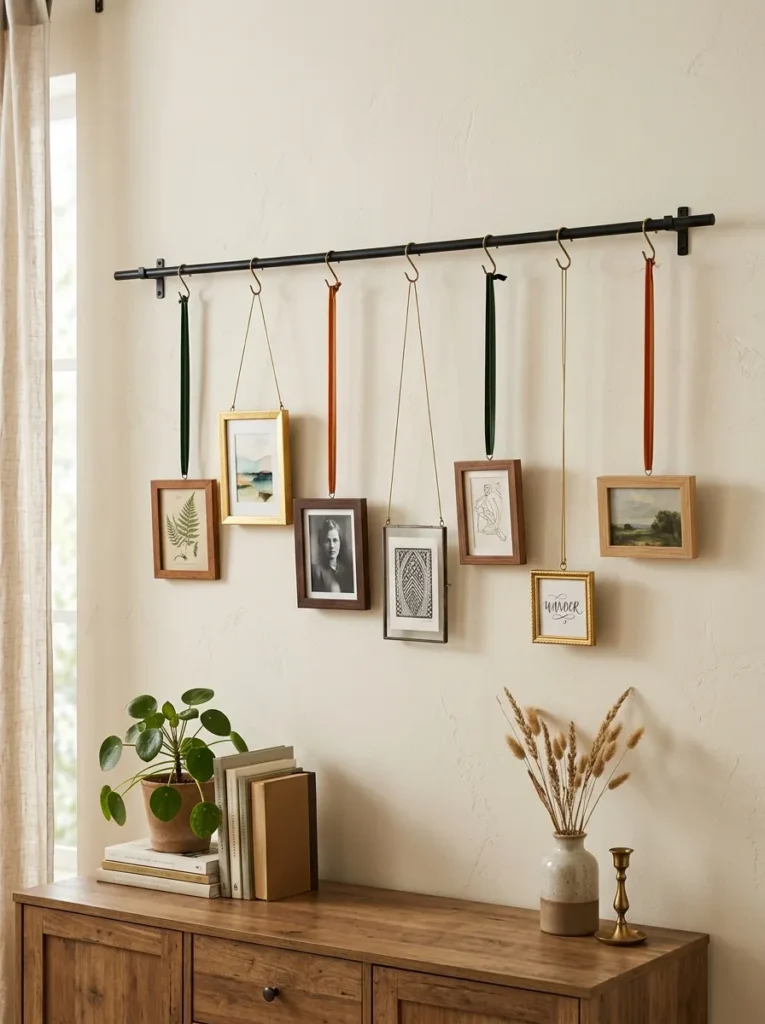
What it looks like: A slim curtain rod mounted horizontally, with framed prints hung from small S-hooks and ribbon or wire.
Why it works: It lets you rearrange art without new nail holes, and the hanging cable creates visual texture that flat-mounted frames don’t.
How to copy it: Use a black IKEA HUGAD-style rod, hang 3–4 lightweight frames, and keep spacing uneven — perfectly even spacing looks staged.
Best for: People who redecorate often or rent and want to avoid patching walls.
Important: Most people assume gallery walls need matching frames — mismatched frames in the same color family actually look more curated, not less.
5. HEMNES dresser hardware swap
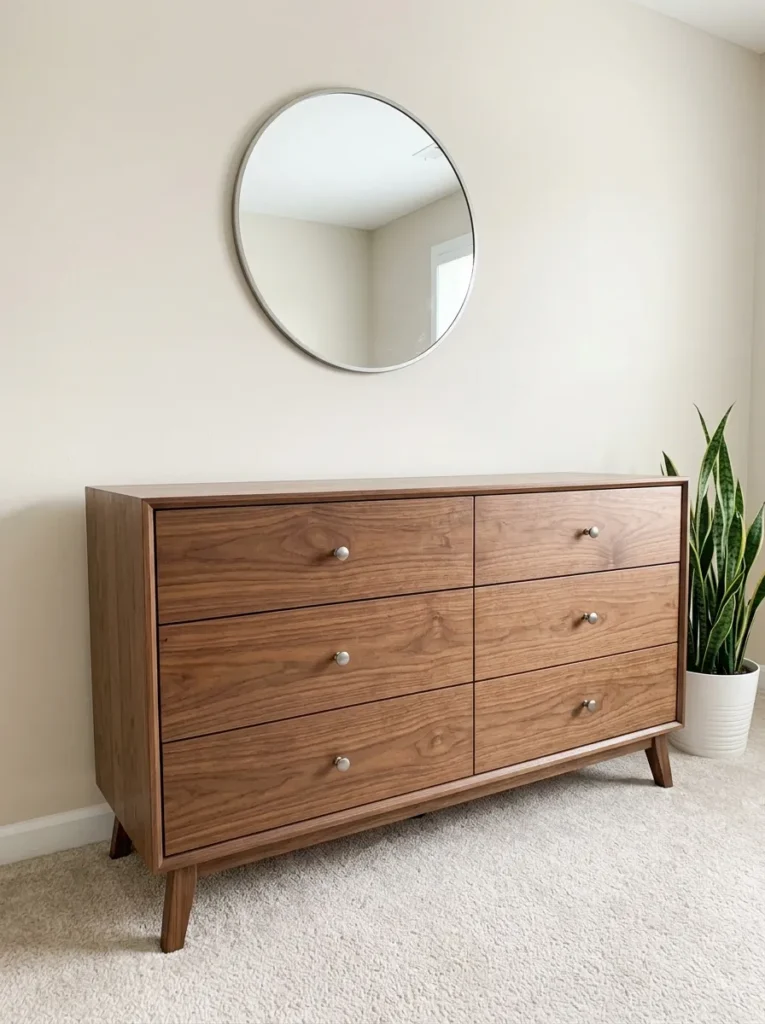
What it looks like: The same dresser, instantly upgraded with new knobs or pulls in matte black, brushed brass, or unlacquered brass.
Why it works: Hardware is the “jewelry” of furniture — it’s a small surface area that has an outsized effect on how expensive a piece looks.
How to copy it: Measure your existing hole spacing before ordering replacements; most HEMNES pulls use a standard 3-inch or 96mm spacing.
Best for: Anyone with existing IKEA furniture who wants a refresh without buying new pieces.
Up next: the material choice that quietly anchors every room in this style.
6. Under-bed KUGGIS storage
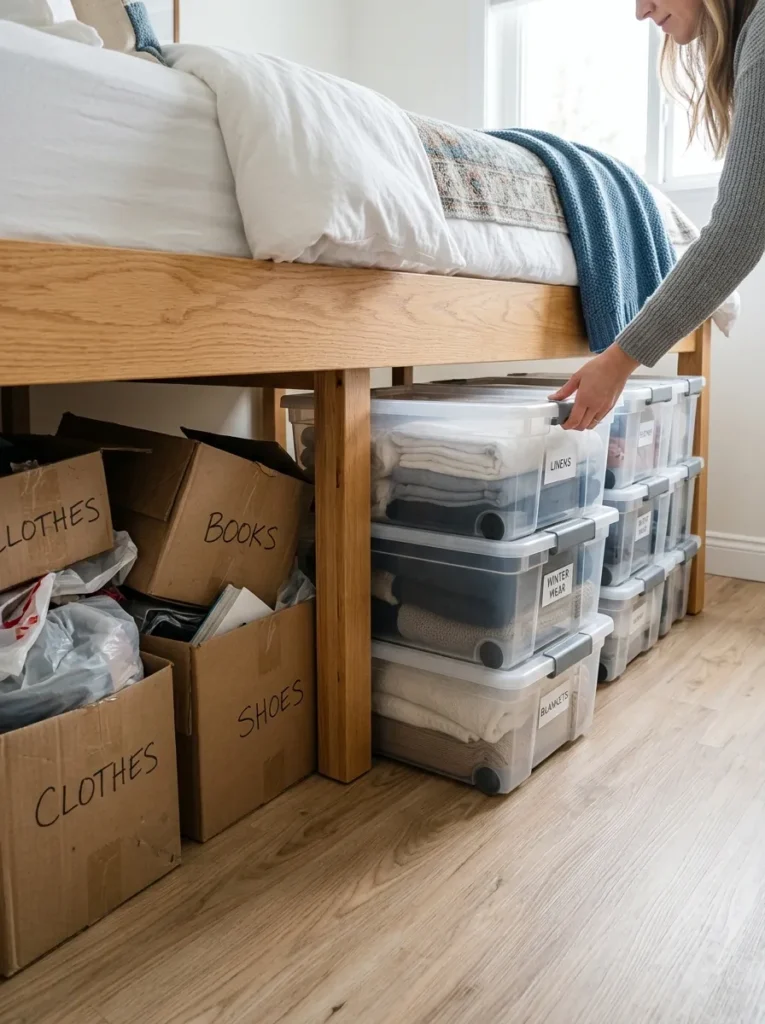
What it looks like: Clear, stackable bins sliding neatly under a bed frame with clearance, replacing random boxes and bags.
Why it works: Under-bed space is often the single largest unused storage zone in a small bedroom, and clear bins let you find things without opening every box.
How to copy it: Measure your bed’s clearance first — most frames need at least 6 inches for standard bins to slide freely.
Best for: Small-space dwellers and anyone storing seasonal clothing.
Warning: Don’t buy bins before measuring clearance under your specific frame — this is the most returned item in budget bedroom makeovers because bed heights vary more than people expect.
7. RIBBA frame layout for wall art
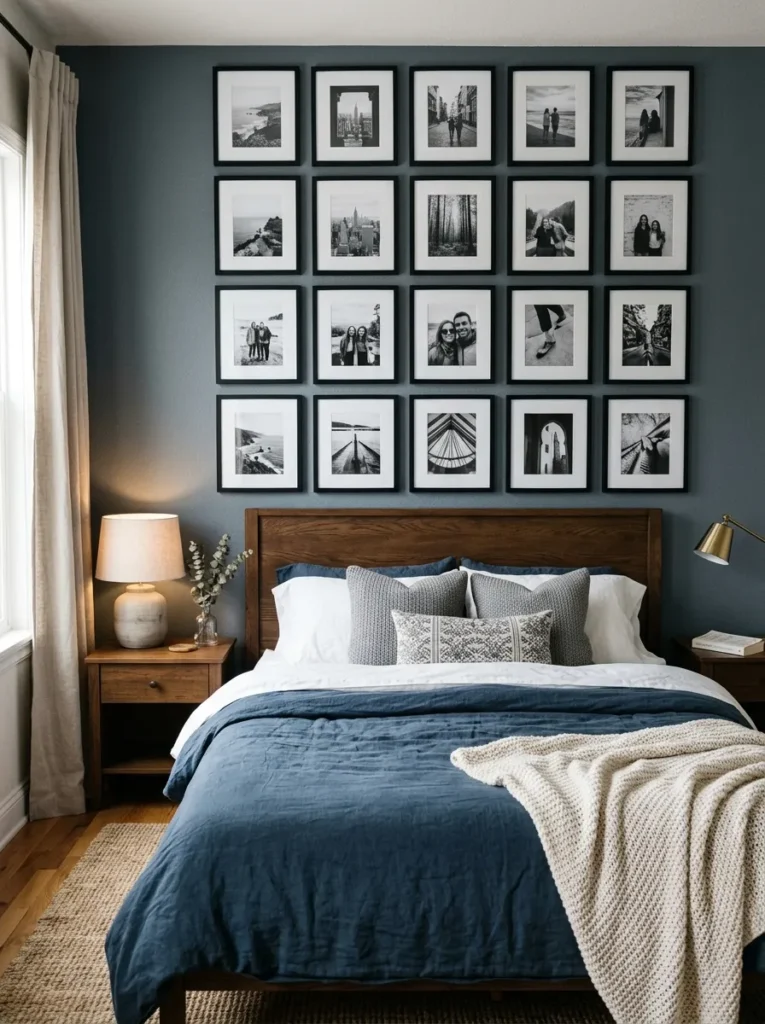
What it looks like: A tight grid or staggered cluster of matching black frames above the headboard.
Why it works: Repetition in frame color creates a single visual block instead of scattered clutter, which makes even mismatched art feel cohesive.
How to copy it: Keep spacing at exactly 2–3 inches between frames and center the whole grid on the headboard, not the wall.
Best for: People who already own prints or photos but haven’t found a way to display them.
8. FADO lamp shade swap for warmer light
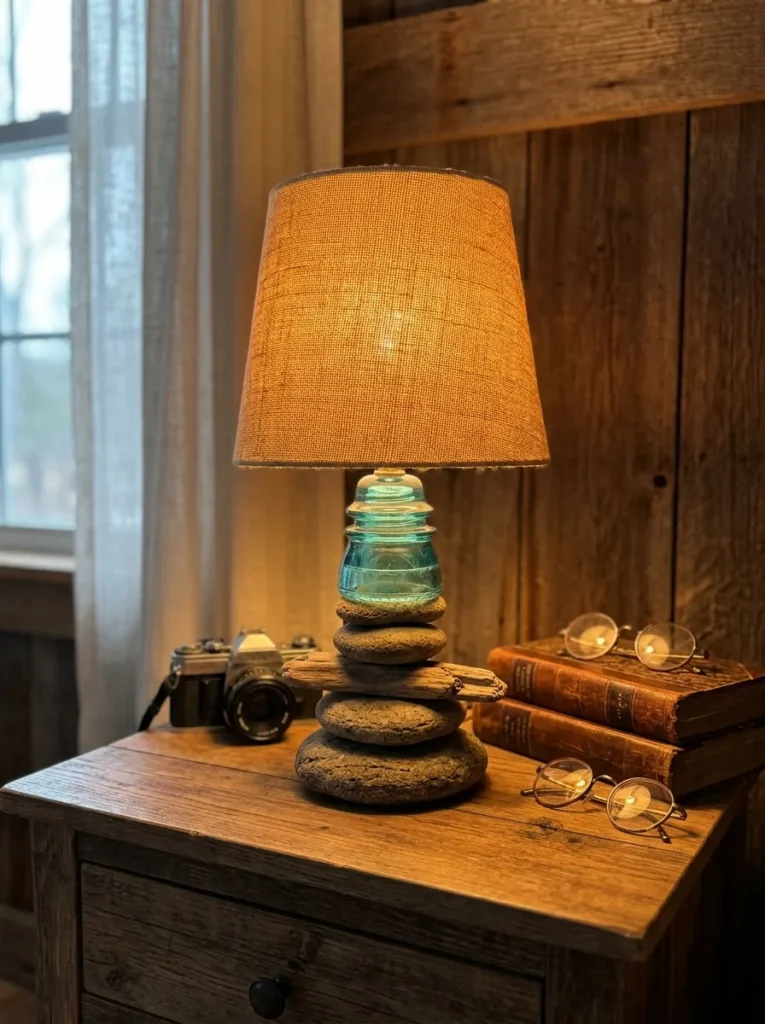
What it looks like: The same lamp base, but with a warmer, fabric-diffused shade instead of a bare or cool-toned one.
Why it works: Light temperature affects mood more than almost any other design choice, and 2700K warm bulbs paired with fabric shades soften harsh overhead light.
How to copy it: Swap in a 2700K soft white bulb and add a linen or paper shade — skip anything with a cool white or daylight rating in a bedroom.
Best for: Anyone whose bedroom currently feels more like an office than a place to rest.
This next one surprised even experienced decorators the first time they tried it.
9. SUNNERSTA rail for small-space storage
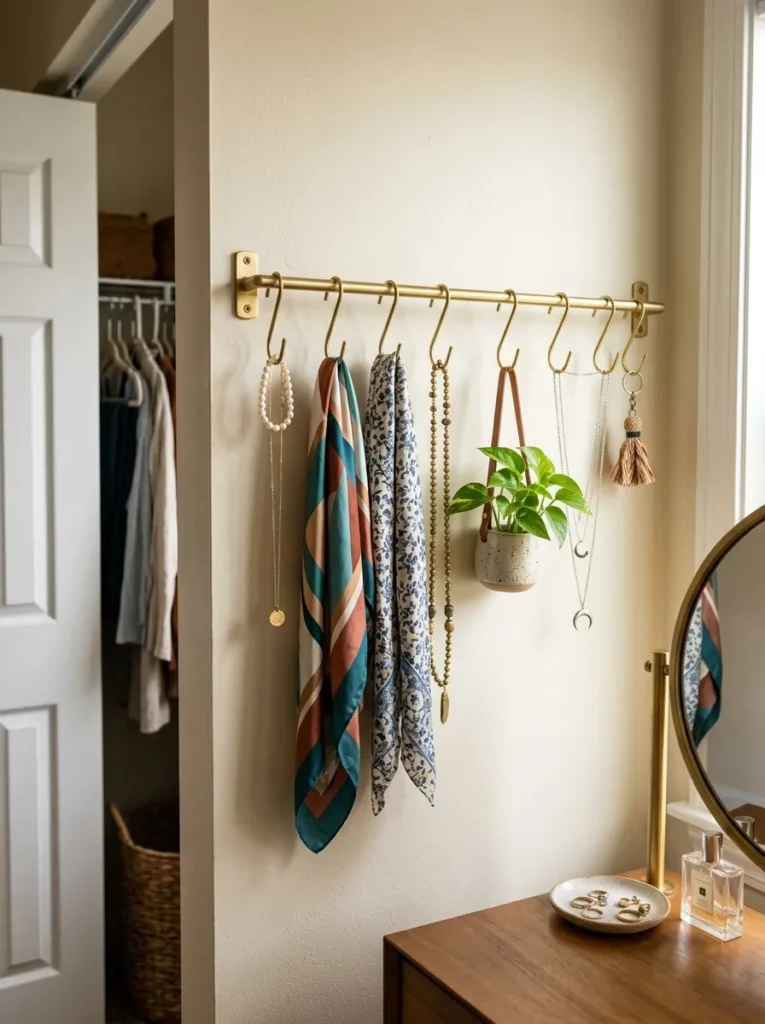
What it looks like: A slim wall-mounted rail with S-hooks holding jewelry, scarves, or a small plant, typically used near a closet or vanity area.
Why it works: Vertical storage keeps flat surfaces clear, and clear surfaces are the fastest way to make a small room look bigger.
How to copy it: Mount at eye level near a mirror or closet door, and limit it to 4–5 hanging items so it doesn’t turn into visual clutter.
Best for: Small bedrooms without dedicated closet space.
10. DIY upholstered headboard from a MALM base
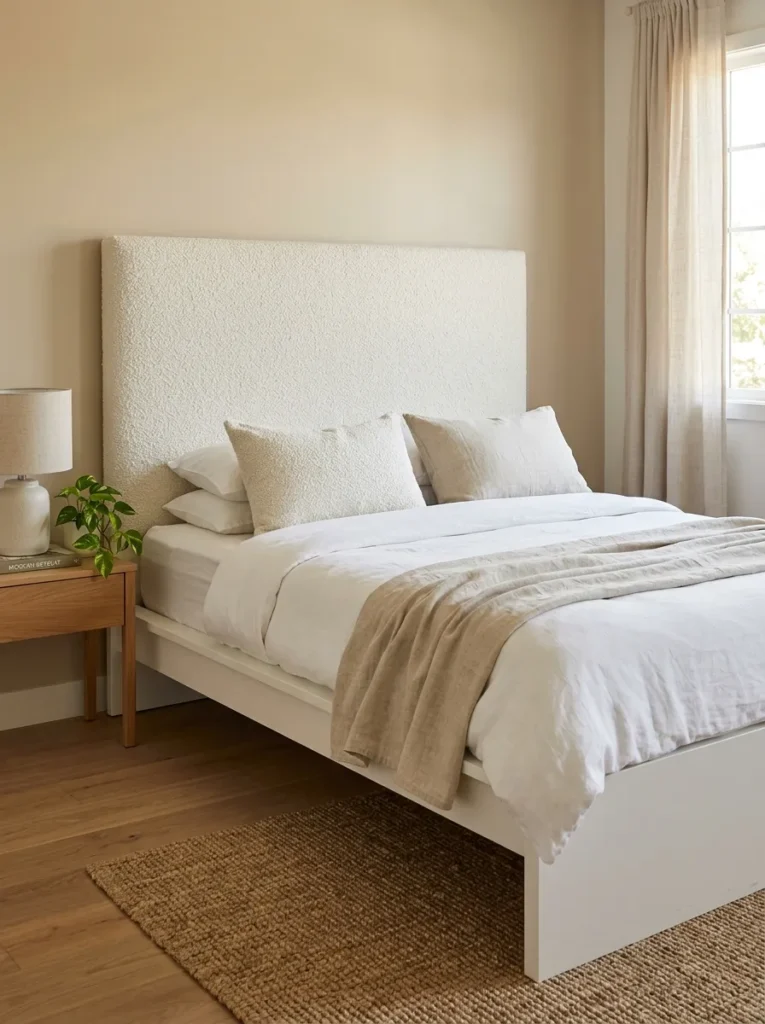
What it looks like: A plain MALM bed frame with a plywood-and-foam headboard panel upholstered in boucle or linen, attached to the existing frame.
Why it works: Upholstery adds texture and softness that flat-pack furniture usually lacks, and it’s the single upgrade that makes a budget bed frame look custom.
How to copy it: Use 2-inch foam over half-inch plywood, wrap with batting first, then fabric, and attach with L-brackets to the existing frame — no need to replace the bed.
Best for: People who like their current bed frame but want it to feel less basic.
Budget Version: A pre-made headboard cushion attached with cable ties gets 80% of the look for under $40 if sewing isn’t an option.
11. STRANDMON-style reading nook on a budget
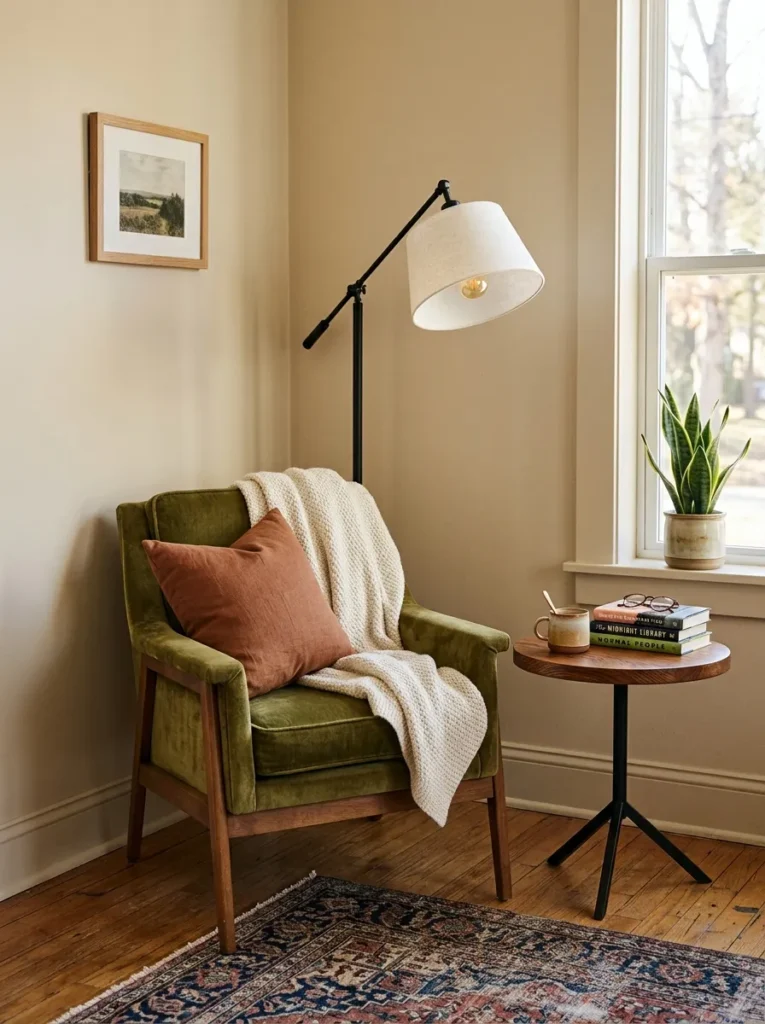
What it looks like: A single accent chair, a small side table, and a floor lamp arranged in an unused corner.
Why it works: Corners are the most commonly wasted space in a bedroom, and one anchored seating area does more for “finished room” energy than several small accessories scattered around.
How to copy it: Use a chair that seats one comfortably, keep the side table lower than the armrest, and angle the whole setup 15–20 degrees away from the wall instead of squaring it off.
Best for: Bedrooms with an awkward empty corner and readers who want a dedicated spot.
The next idea is one most people overlook entirely — and it costs almost nothing.
12. TROFAST bins repurposed as bedside storage
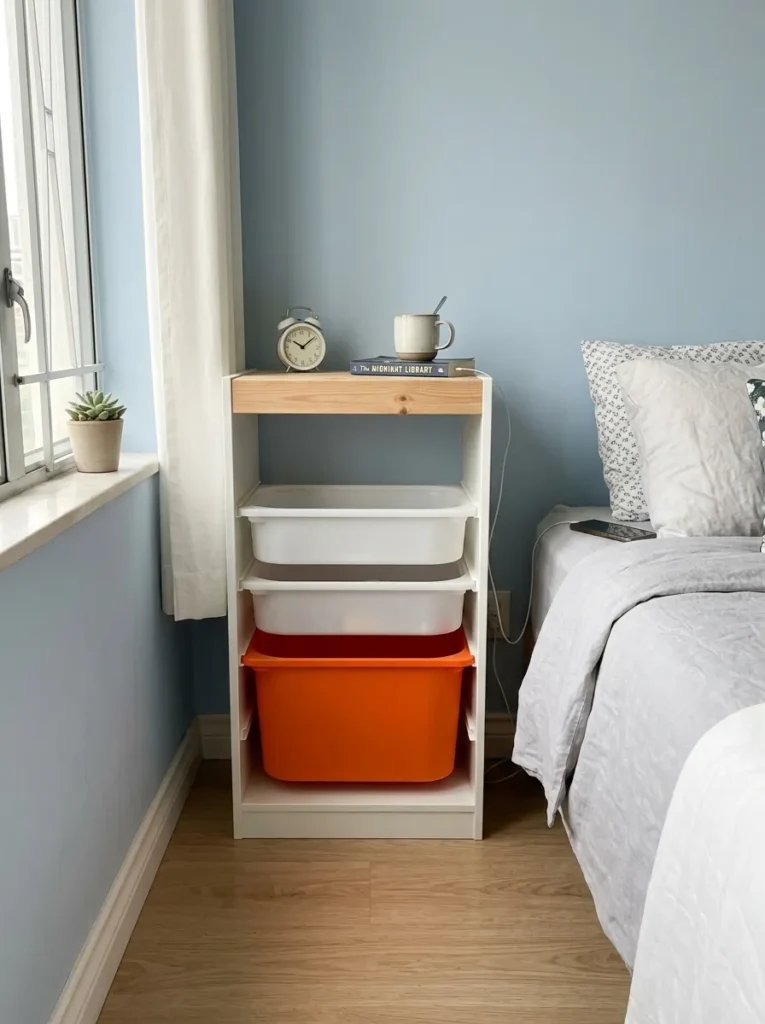
What it looks like: A single TROFAST frame with two or three bins, used as an open, low-cost nightstand alternative.
Why it works: Open bins are faster to use than drawers for daily items, which matters more in practice than most people expect.
How to copy it: Keep it to one frame per side of the bed and paint the frame to match your wall trim so it doesn’t read as a kid’s storage system.
Best for: Budget-first decorators and anyone who wants storage without spending on real nightstands yet.
13. Layered rugs using two budget pieces
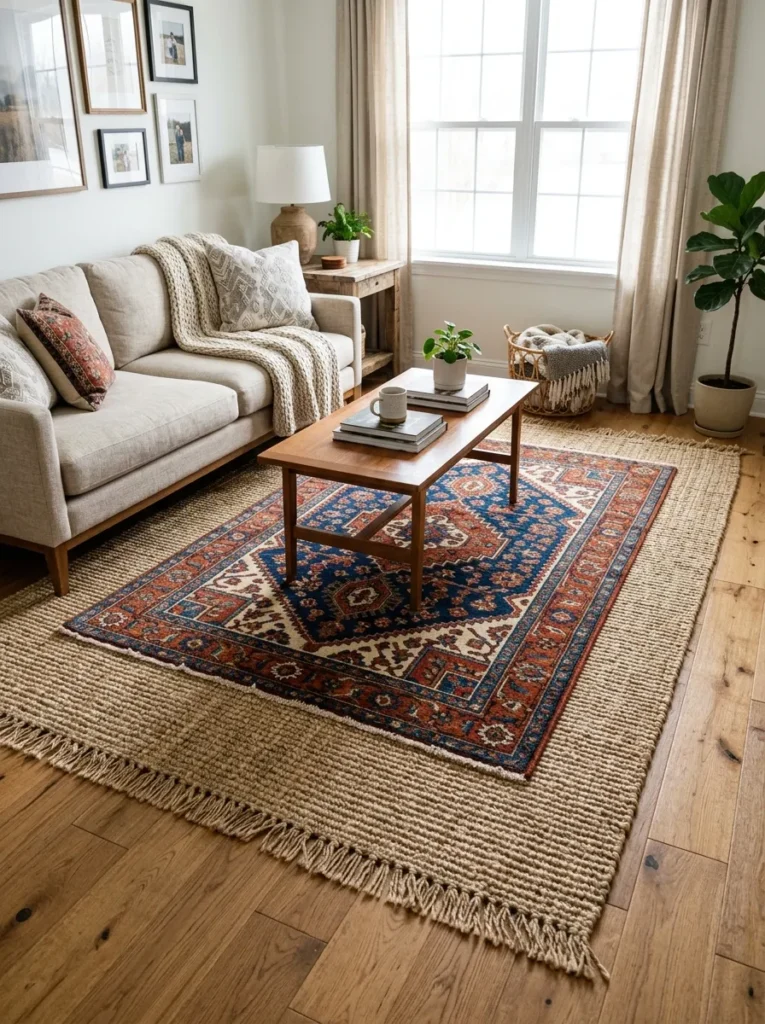
What it looks like: A smaller patterned rug layered on top of a larger, neutral jute or flatweave rug.
Why it works: Layering adds visual depth and warmth to a room without committing to one large, expensive rug, and it hides worn edges on a cheaper base rug.
How to copy it: Size the base rug to extend at least 18 inches past the bed on each side, then center a smaller accent rug at the foot of the bed.
Best for: Renters and anyone with cold or hard flooring.
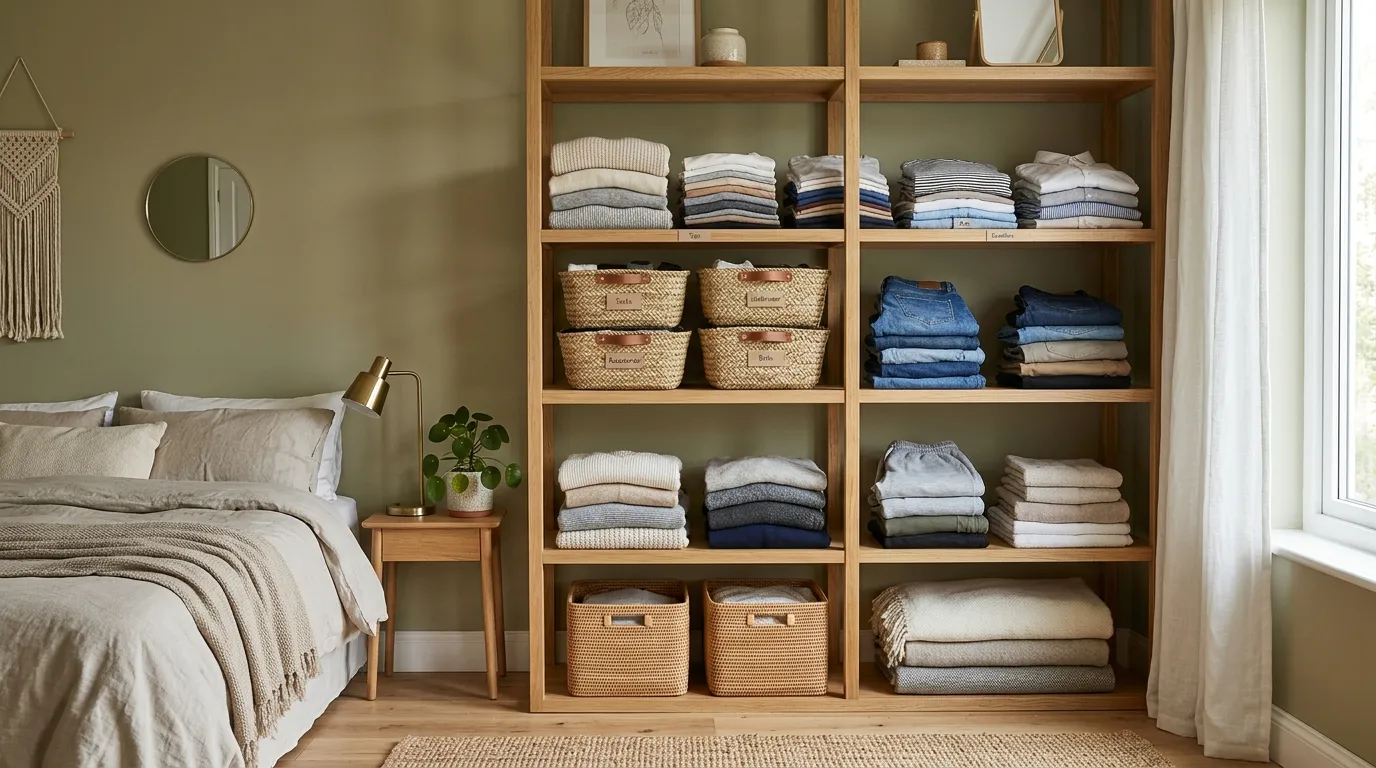
14. LERBERG shelving as an open wardrobe
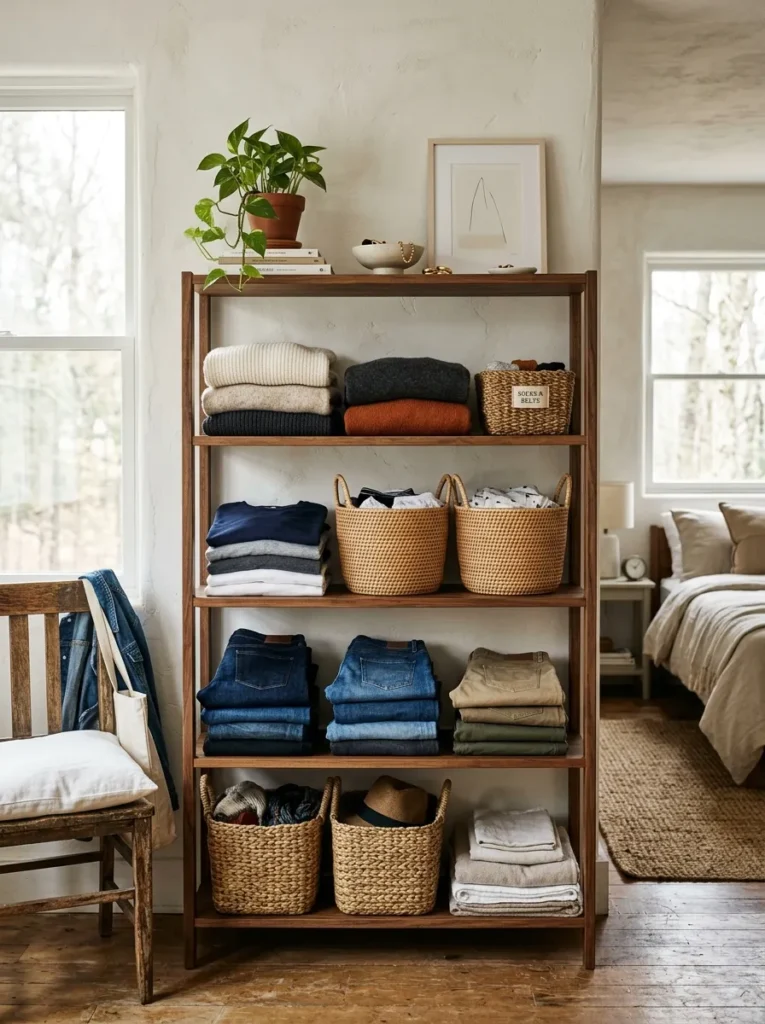
What it looks like: Open shelving styled with folded clothing and baskets, used in place of a closed dresser.
Why it works: Open storage forces intentional folding and organizing, which — done well — can look more curated than a closed piece, though it does require more upkeep.
How to copy it: Use uniform baskets on the bottom shelves for items you don’t want visible, and reserve the top shelf for folded items in matching color tones.
Best for: Small bedrooms without closet space and people who don’t mind visible storage.
Important: Open shelving only looks intentional when the color palette is controlled — mixed colors on open shelves read as clutter almost instantly.
15. Battery LED strip under the bed frame
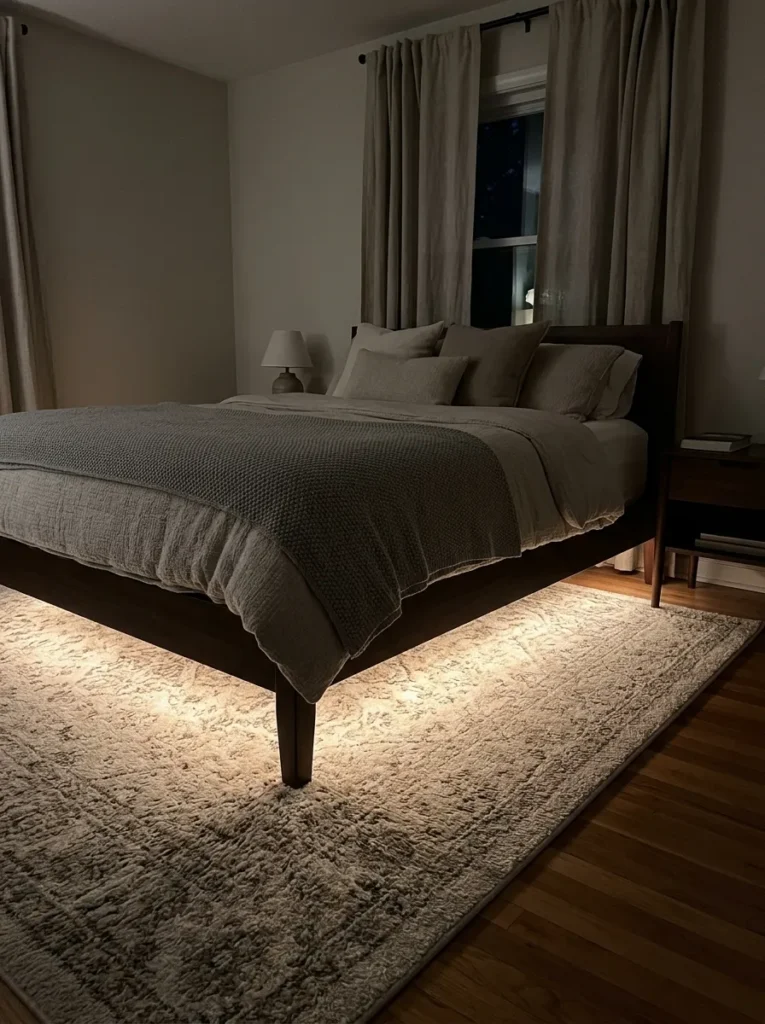
What it looks like: A soft glow visible under the bed frame, usually warm white or a low-intensity color.
Why it works: Uplighting from below a large object like a bed makes it appear to float, which adds a subtle high-end effect for very little cost.
How to copy it: Use a battery-powered, remote-controlled strip (no outlet needed) and stick it to the inside lip of the frame, hidden from direct view.
Best for: Renters who can’t run new wiring and anyone wanting ambient, non-overhead lighting.
Quick Setup Checklist:
- [ ] Measure the inside frame lip to confirm strip length needed
- [ ] Clean the surface with rubbing alcohol before sticking adhesive backing
- [ ] Test the remote range before final placement
- [ ] Tuck excess wiring using adhesive clips so nothing hangs visibly
16. Fabric bin swap in the closet

What it looks like: Matching fabric bins on closet shelves, replacing mismatched boxes and bags.
Why it works: A closet is one of the few spaces where uniformity alone — regardless of what’s inside — creates the appearance of full organization.
How to copy it: Choose bins in one color and one material, label only what you’ll actually maintain, and leave one shelf empty for overflow instead of stuffing every bin full.
Best for: Anyone whose closet is functional but visually chaotic.
Up next: the material choice that quietly anchors every room in this style.
In my experience, the biggest thing people get wrong in a budget bedroom makeover is skipping the closet entirely and spending all their money on visible decor — but an open closet door with a chaotic 24-inch-deep mess undoes a beautifully styled bed in about two seconds. Fix the closet before the third throw pillow.
17. Command strip + ledge for a mini gallery
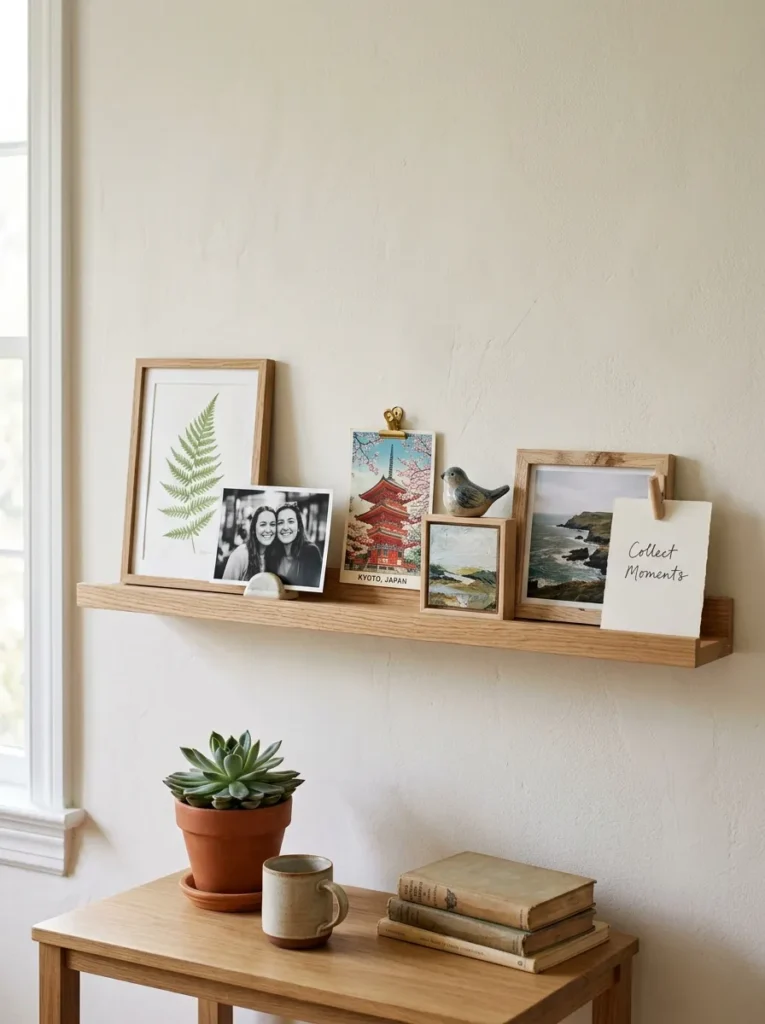
What it looks like: A single slim wooden ledge holding a small rotation of art, postcards, or photos, mounted without drilling.
Why it works: A ledge lets you change displayed items seasonally without new holes, which matters most in rentals where wall damage is a deposit risk.
How to copy it: Use heavy-duty Command strips rated for at least 5 lbs, and lean items rather than fixing them flat so you can swap pieces in seconds.
Best for: Renters and anyone who likes rotating their decor often.
| Get the Look |
|---|
| Matte black cabinet pulls, standard 3″ spacing |
| Battery-powered warm white LED strip with remote |
| Linen or boucle upholstery fabric, 2 yards |
| Clear stackable under-bed storage bins |
| Slim wall-mounted picture ledge |
How to Start Your Bedroom Transformation
What I’ve found with real spaces is that lighting is almost always the right place to start — swap one overhead bulb for a warm 2700K bulb before touching anything else, because it changes how every other color and material in the room reads.
The most common mistake is buying decor before fixing storage. A styled shelf next to an overflowing closet just draws attention to the mess — fix the closet or under-bed situation first, then decorate.
Three items under $50 that make an immediate difference: a warm 2700K LED bulb, a set of matte black cabinet pulls, and a single linen throw pillow cover in a neutral tone.
A weekend covers one or two hacks — new hardware, a lighting swap, or storage bins. A full room refresh using 6–8 of these hacks realistically takes two to three weekends and lands somewhere between $150–$400 depending on how much furniture you’re already keeping.
Ready to Create Your Dream Bedroom?
Between the lighting swaps, storage fixes, and small furniture upgrades in these 17 hacks, you’ve got a real toolkit for making a rented or budget bedroom feel intentional. Start with just one — the lamp shade or the hardware swap — and let the room build from there instead of trying to do everything at once. Tonight, take five minutes to measure the clearance under your bed frame; it’s the first step for two of the highest-impact hacks on this list. Whichever combination you choose, the goal is a room that feels calmer and more like yours, not just more decorated. Save this one so you can come back to it hack by hack.
Read Next